Effective Classroom Management: A Behavioral Guide
Managing a classroom requires a delicate balance of structure, empathy, and consistent expectations. Effective classroom management does not mean strict control; it means co-creating an environment where students feel safe, respected, and motivated to learn. This guide outlines key strategies for positive behavioral support.
1. Establishing Clear and Positive Expectations
Co-creating classroom guidelines with students promotes ownership and mutual respect. Rather than displaying lists of restrictions, focus on positive actions like active listening, supportiveness, and preparedness. Reviewing these standards regularly establishes a predictable and secure environment.
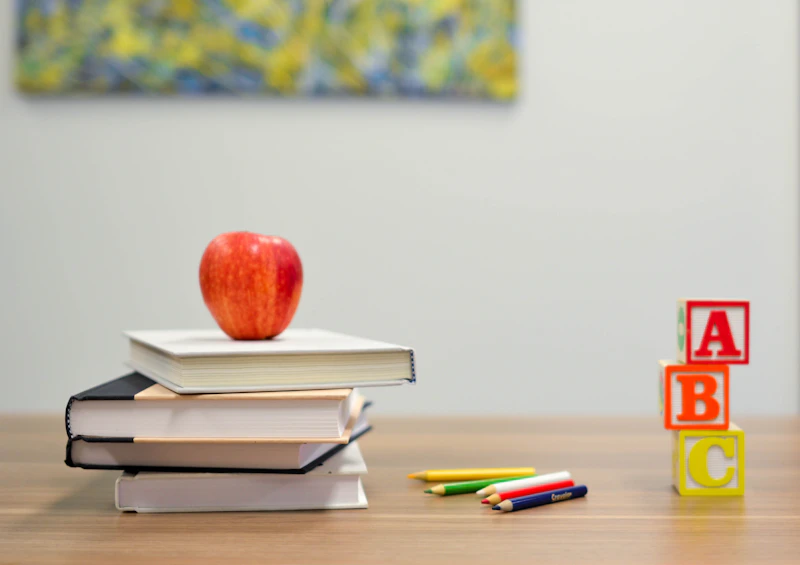
Applying active strategies in relation to Effective Classroom Management: A Behavioral Guide encourages collaboration. The integration of visual support and hands-on guidance drives academic performance and builds student confidence.
2. Building Strong Teacher-Student Relationships
Positive relationships are the foundation of good behavior. Greeting students at the door, showing interest in their hobbies, and providing individualized support makes them feel valued. When students know their teacher cares about their success, they are significantly more cooperative.
"The ultimate goal of Effective Classroom Management: A Behavioral Guide is to build independent, critical thinkers who are equipped to navigate a changing global environment."

Figure 1: Classroom implementation of the Teaching Tips framework.
3. Proactive Intervention and De-escalation
Recognizing behavioral triggers early allows teachers to de-escalate disruptions before they arise. Using subtle corrections, redirection, and private discussions preserves a student's dignity while maintaining class focus. Consistent, calm actions prevent minor issues from becoming major obstacles.

Implementing structured practices in core lessons ensures that all academic requirements are met while keeping student engagement high.
Implementation Guide for Educators
To successfully bring this strategy into your classroom, follow these action steps:
- Analyze Current Standards: Review your curriculum goals to align this framework with state criteria.
- Prepare Resource Kits: Compile materials, digital tools, and workspace layouts in advance.
- Introduce Guidelines Collaboratively: Involve students in setting the rules of active interaction.
- Reflect and Revise: Dedicate the last 5 minutes of class to gather feedback and modify your plans.
Recommended Resources
| Resource Tool | Target Grade | Setup Time |
|---|---|---|
| Topic Starter Kit | Grades K-12 | 15 Minutes |
| Digital Feedback Form | Grades 3-12 | 5 Minutes |
| Sustained Reflection Journal | Grades 6-12 | Self-paced |
Frequently Asked Questions
Q: How do I measure student growth using this model?
A: Utilize regular checks for understanding, student self-reflection logs, and portfolio reviews to track ongoing development rather than a single end-of-year score.
Q: What if I have limited access to resources?
A: This strategy is highly adaptable. You can utilize printouts, collaborative physical boards, and local community spaces with minimal technological reliance.
Conclusion
Behavior management is a continuous process of building relationships and maintaining structure. By focusing on positive reinforcement and clear routines, teachers can establish a harmonious learning environment where all students succeed.
Never miss an update
Join thousands of educators receiving our best teaching strategies and resources directly in their inbox.
Discussion (2)
BetaThis is exactly what I needed for my curriculum planning next month. The integration of technology section was particularly insightful!
Have you considered adding a section about differentiated instruction for these strategies? Would love to see a follow-up post.